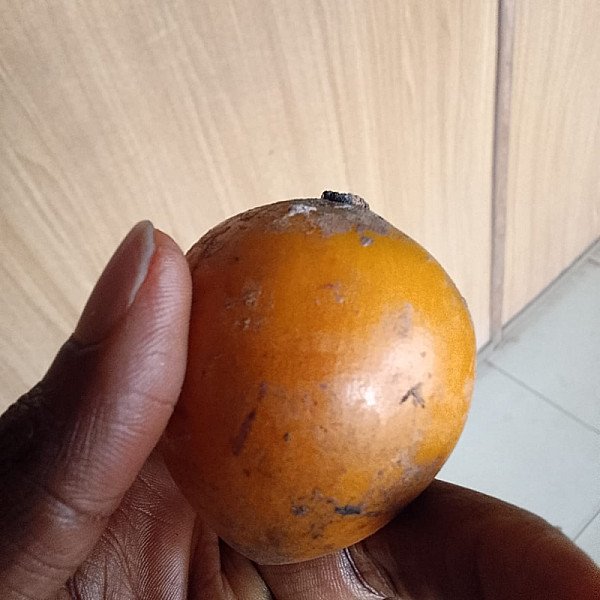
Udara is one of the most cherished fruits native to Igboland in southeastern Nigeria. Deeply woven into childhood memories, it was traditionally regarded as a fruit specially reserved for children. In many villages, elders allowed children to gather beneath the trees to enjoy its juicy sweetness, making it a symbol of innocence, community, and shared joy. Today, although everyone savors it, Udara still holds a special place in the hearts of young people.
Udara tastes sweet and succulent, melting gently in the mouth. When unripe, the fruit is dark green, but it turns brown as it ripens. Once broken open, it reveals a whitish pulp filled with sticky fluid and shiny seeds. Beyond Igboland, the fruit is popular across West Africa. Among the Yoruba people, it is called Agbalumo; it is also called Udala among Ibibio people, while in some English contexts it is known as African star apple. Regardless of the name, Udara remains a seasonal treasure that brings families and communities together during its harvest period.
Nutritional Contents of Udara
Udara is rich in vitamin C, which supports immunity and healthy skin. It contains dietary fiber that aids digestion and promotes gut health. The fruit also provides natural sugars for energy, calcium for strong bones and teeth, and small amounts of iron and antioxidants that help fight harmful free radicals. Its high-water content keeps the body hydrated, making it both refreshing and nourishing during its season.
Types of Udara
Udara comes in different forms and variations, depending on ripeness and taste.
1. Ripe Udara:
Ripe Udara is brown on the outside and very soft to the touch. It is sweet, juicy, and highly aromatic. This is the most preferred form because of its pleasant taste and smooth texture. Children especially enjoy sucking out the juicy pulp.
2. Unripe Udara:
Unripe Udara is dark green and firm. It tastes sour and slightly astringent. Some people enjoy it this way, particularly those who prefer tangy fruits. However, it is not as commonly eaten as the ripe variety.
3. Udara Nnu (Sweet Udara):
This is the sweetest variety. It has very little sourness and is highly sought after in markets and villages. Its balanced sweetness makes it a favorite among both children and adults.
4. Udara Ose (Sour Udara):
Udara Ose has a distinctly sour taste. Though not as popular as the sweet type, many people enjoy its sharp flavor. It is sometimes believed to have stronger medicinal value due to its sourness.
10 Popular Myths and Beliefs about Udara Tree and Udara in Igboland
Udara is one fruit surrounded by mystery in Igboland. Unlike ordinary trees, the Udara tree carries cultural meanings, rules, and traditional beliefs that have shaped community life for generations.
1. Udara in village squares:
Udara trees are often found in village squares, a central meeting place for elders and community gatherings. Its presence symbolizes unity, abundance, and shared heritage.
2. Udara germinates on its own:
Many believe Udara is not deliberately planted but sprouts naturally. This belief adds to its mystical reputation, as people see its growth as a gift from nature.
3. Association with children:
Udara is closely linked to children. Traditionally, adults allowed children to enjoy the fruits freely, reinforcing its identity as a “children’s fruit.”
4. Spirits of unborn children:
Some traditional beliefs hold that the spirits of unborn children dwell in Udara trees. This idea makes the tree sacred and worthy of respect.
5. Fertility belief:
Women desiring children were sometimes encouraged to sit under Udara trees, believing it could bring blessings of fertility.
6. Fruits cannot be plucked:
It is widely believed that Udara fruits should not be plucked directly from the tree. Doing so was considered disrespectful or taboo.
7. Fruits must fall naturally:
Only fruits that fall to the ground are considered fit for consumption. This rule reinforces patience and respect for nature’s timing.
8. Communal ownership:
In the past, Udara trees belonged to the entire community. No individual could restrict others from gathering fallen fruits, reflecting Igbo communal values.
9. Children’s playground:
Because children gathered around Udara trees to eat and play, the tree became a lively social hub. Laughter and storytelling often took place beneath its shade.
10. Not sold in markets traditionally:
Before colonial influence and commercialization, Udara was not sold in markets in many communities. It was freely shared, symbolizing generosity and abundance.
These beliefs highlight how Udara is more than a fruit; it is a cultural symbol deeply rooted in Igbo tradition.
Why You Should Eat Udara Every Day
Eating Udara daily during its season boosts immunity, improves digestion, hydrates the body, and provides natural energy. Its antioxidants help protect against illnesses, while its fiber promotes healthy bowel movements. It is a delicious, affordable, and natural way to maintain good health.
Conclusion
Udara is typically in season in Nigeria between December and April, when markets and village squares are filled with its sweet aroma. This is the best time to enjoy its freshness and nutritional benefits. Beyond its taste, Udara carries history, culture, and cherished childhood memories in Igboland. It reminds communities of unity, generosity, and respect for tradition. As the season approaches each year, make it a habit to enjoy Udara not only for its delightful sweetness but also for the health benefits it offers. Embrace this seasonal treasure and let it enrich your life naturally.



Comments (0)
No comments yet. Be the first to comment!
Leave a Comment