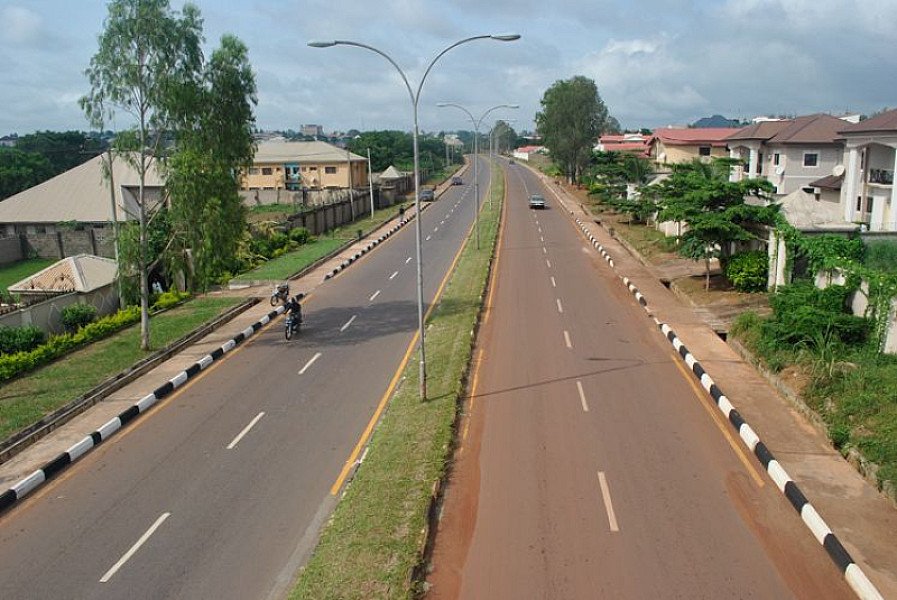
Igboland, located in the southeastern region of Nigeria, is a land richly blessed with industrious people, fertile soil, vibrant culture, and an unbreakable entrepreneurial spirit. Over the decades, this region has transformed itself through resilience, trade, education, and innovation. From bustling markets that never seem to sleep to serene government districts lined with modern infrastructure, the most beautiful and developed cities in Igbloand stand as living proof of what vision and hard work can achieve.
Development in Igboland did not happen overnight. It is a story of traders who started small in crowded markets, families who invested heavily in education, and communities that prioritized growth. Today, when people talk about the most beautiful and developed cities in Igbloand, they refer to cities that combine aesthetics, infrastructure, commerce, hospitality, and opportunity. These cities are not just urban centers; they are engines of economic growth, cultural pride, and modern transformation.
We have lived in these cities and experienced their growth to come up with the conclusion we have here. Igboland is a resilient region that has suffered couple of setbacks but still waxing strong. The level of development across the region is great. Now, settle and enjoy the read as you discover the beauty of the region through the ten top cities.
10 Most Beautiful and Developed Cities in Igboland
1. Enugu
Fondly called the “Coal City,” Enugu is the most organized serene city in Igboland. With its smooth road networks, government institutions, upscale estates, and a thriving hospitality sector, Enugu radiates class and order. The city serves as a political and educational hub, hosting universities, industries, and corporate offices. Tourism also thrives here, thanks to attractions like Ngwo Pine Forest, Unity Park, and other parks within the city. There are also other closeby tourist locations like Awhum Waterfall, Ezeagu Waterfall, Akwueke Beach, and so on. Enugu’s balanced blend of beauty, peace, and economic activity makes it a standout. Enugu is perfectly planned, too, and it is the estate capital of South East.
2. Owerri
Owerri, the capital of Imo State, is known for its lively atmosphere and hospitality industry. Popularly regarded as one of the entertainment capitals in the East, the city boasts numerous hotels, lounges, and recreational centers. Beyond leisure, Owerri is growing rapidly in real estate, education, and small-scale industries. Its expanding road infrastructure and business-friendly environment continue to attract investors and young entrepreneurs eager to build their dreams. The city is also thriving as a regard of the deep oil and gas assets of Imo State.
3. Aba
Aba is the heartbeat of grassroots industrialization in Igboland. Known for its industrious artisans and manufacturers, Aba’s Ariaria Market is famous across West Africa. From leather works and garments to footwear and household products, Aba produces goods that travel far beyond Nigeria. The city is experiencing renewed infrastructure development, boosting trade and manufacturing. Aba’s economic resilience and entrepreneurial culture make it one of the strongest commercial centers in the region. Aba is also well planned and populated with building and streets perfectly lined up.
4. Onitsha
Onitsha is home to one of the largest markets in Africa: Onitsha Main Market. This commercial powerhouse thrives on wholesale and retail trade, supplying goods across Nigeria and neighboring countries. Strategically located along the River Niger, Onitsha benefits from strong transport and distribution networks. Despite its busy nature, modernization projects continue to improve its roadways and urban planning, strengthening its reputation as a major economic hub.
is the most populated city in Igboland, containing more than 2 million residents. It is also one of the fastest developing cities in Nigeria. It is estimated that by 2050, the city will have over 10 million residents. What the city lacks in organization and serenity, it gains in huge commercialization and growth.
5. Asaba
Though geographically in Delta State, Asaba remains culturally connected to Igboland. As the state capital, it has experienced significant urban transformation. Modern government buildings, well-planned estates, and expanding road networks define its landscape. The city’s proximity to Onitsha boosts its commercial relevance, while its peaceful environment attracts real estate investors and hospitality businesses.
6. Awka
Awka, the capital of Anambra State, has evolved into a fast-growing administrative and educational center. With improved infrastructure, shopping malls, hotels, and expanding residential layouts, Awka reflects modern urban planning. The presence of Nnamdi Azikiwe University contributes significantly to its economy. Government activities, civil service employment, and small businesses collectively drive steady economic growth in the city.
7. Abakaliki
Abakaliki, the capital of Ebonyi State, is widely known for agriculture, especially rice production. Over the years, the city has undergone remarkable infrastructural transformation, with modern flyovers, concrete roads, and public facilities reshaping its outlook. Agriculture, civil service, and emerging trade networks fuel its economy. Abakaliki stands today as a testimony to rapid state-driven development in the region.
8. Umuahia
Umuahia, the capital of Abia State, blends calmness with steady development. Known historically for its role during the Nigerian Civil War, the city has grown into a center for governance and commerce. Educational institutions, growing markets, and improved infrastructure contribute to its expanding economy. Umuahia’s organized layout and peaceful environment make it attractive for families and investors alike. It is also well-planned like Aba, although it is way smaller than Aba.
9. Nnewi
Often called the “Japan of Africa,” Nnewi is globally recognized for its automotive and manufacturing industries. Home to major indigenous companies like Innoson Vehicle Manufacturing, Nnewi thrives on industrial production and trade. Its entrepreneurial spirit runs deep as many families are actively involved in manufacturing, the sales of spare parts, and sales of motorcycles. Nnewi’s wealth is visible in its modern homes, factories, and strong business networks.
10. Nsukka
Nsukka is widely known as an educational powerhouse due to the presence of the University of Nigeria, Nsukka (UNN). The university significantly shapes the city’s economy, driving housing, commerce, and innovation. Beyond academics, Nsukka has a calm and green environment that enhances its beauty. Agriculture, retail trade, and small scale businesses support its steady development. In Nsukka, there has been a recent boom in the production and supply of veggies like tomato and pepper, cementing Nsukka’s place as the agricultural powerhouse of the region.
Conclusion
Igboland is moving forward at an impressive pace. From industrial giants like Aba and Nnewi to administrative capitals like Enugu and Awka to agricultural centers such as Nsukka and Abakaliki, the region continues to expand economically and infrastructurally. Beyond these cities, many other towns are quietly rising, building roads, attracting investments, and nurturing young entrepreneurs who will shape the future.
This is a wrap on our 10 most beautiful and developed cities in Igboland. Development here is not just about skyscrapers, it’s about people, resilience, and progress.


Comments (0)
No comments yet. Be the first to comment!
Leave a Comment